
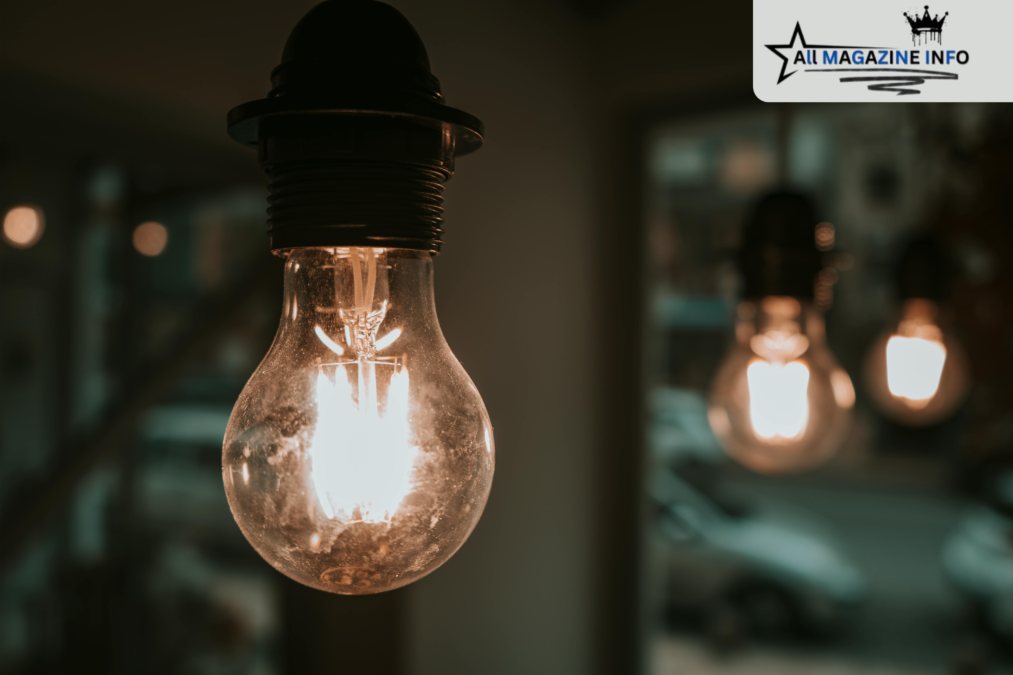

The incandescent light bulb is one of the most important inventions in human history. From lighting up early homes to shaping modern electrical systems, this small glass bulb has had a huge impact on daily life. Even today, when many newer lighting technologies exist, the It still holds educational, historical, and practical value. In this article, we’ll take a deep, friendly, and easy-to-understand look at the incandescent light bulb—how it works, where it came from, its advantages and disadvantages, and why it still matters.
This guide is written in clear Grade 7 English, with a formal yet optimistic tone, so readers of all ages can enjoy and learn. Let’s flip the switch and get started.
What Is an Incandescent Light Bulb?
An incandescent light bulb is a type of electric light that produces light by heating a thin wire called a filament. When electricity passes through the filament, it gets very hot and glows, giving off light. This process is known as incandescence.
In simple words, the turns electrical energy into light and heat. It’s a straightforward idea, but wow, it changed the world.
Key Features of an Incandescent Light Bulb
- Made of a glass bulb
- Contains a thin tungsten filament
- Uses electricity to produce light
- Gives off warm, yellowish light
- Produces heat along with light
The History of the Incandescent Light Bulb
The story of the incandescent light bulb goes back to the 19th century. Many inventors worked on early electric lights, but Thomas Edison is the most famous name linked with it. In 1879, Edison developed a practical incandescent light bulb that could last long enough for everyday use.
However, Edison didn’t work alone. Scientists like Humphry Davy, Joseph Swan, and others made important contributions. Edison improved existing designs and created a system that made electric lighting safe and affordable for homes.
Important Milestones
- Early 1800s: First experiments with electric light
- 1878–1879: Edison tests carbon filament bulbs
- Early 1900s: Tungsten filament introduced
- 20th century: Widespread use in homes and streets
The incandescent light bulb didn’t just light rooms—it sparked progress.
How an Incandescent Light Bulb Works
Understanding how an incandescent light bulb works isn’t rocket science. Let’s break it down step by step.
Basic Working Principle
- Electricity flows into the bulb
- The electric current passes through the filament
- The filament heats up to a very high temperature
- The hot filament glows and produces light
The filament is usually made of tungsten because it can handle very high heat without melting. The glass bulb is filled with an inert gas like argon to protect the filament from burning out too quickly.
Why Heat Is Produced
Here’s the catch: most of the energy in an turns into heat, not light. That’s why the bulb feels hot after being on for a while.
Main Parts of an Incandescent Light Bul
An incandescent light bulb may look simple, but it has several important parts working together.
Parts and Their Functions
- Glass Bulb: Protects the filament and keeps gas inside
- Filament: Produces light when heated
- Inert Gas: Slows down filament evaporation
- Base (Cap): Connects the bulb to the power source
- Support Wires: Hold the filament in place
Each part plays its role, like members of a team working toward one bright goal.
Types of Incandescent Light Bulbs
Not all incandescent light bulb designs are the same. Over time, different types were created for different uses.
Common Types
- Standard Incandescent Bulbs
Used in homes for general lighting - Halogen Incandescent Bulbs
Use halogen gas to last longer and shine brighter - Reflector Bulbs
Used in spotlights and floodlights - Decorative Bulbs
Designed for style, like candle-shaped bulbs
Each type serves a specific purpose, proving the flexibility of incandescent technology.
Advantages of the Incandescent Light Bulb
Even though newer lights exist, the incandescent light bulb still has several advantages. Let’s take a look.
Key Benefits
- Produces warm and natural light
- Instant full brightness, no warm-up time
- Low initial cost
- Simple design and easy to use
- Works with standard dimmer switches
For many people, the cozy glow of an It just feels right—homey, familiar, and comforting.
Disadvantages of the Incandescent Light Bulb
Now, let’s be honest. The isn’t perfect. It has some drawbacks that led to the rise of newer lighting options.
Main Limitations
- Uses more electricity
- Shorter lifespan compared to LEDs
- Produces a lot of heat
- Less energy-efficient
- Higher long-term cost
Because of these issues, many countries have reduced or limited the use of traditional incandescent bulbs. Still, understanding these drawbacks helps us make informed choices.
Comparison Table: Incandescent Light Bulb vs Other Bulbs
Here’s a simple table to compare the It with other common lighting types.
| Feature | Incandescent Light Bulb | CFL Bulb | LED Bulb |
|---|---|---|---|
| Energy Efficiency | Low | Medium | High |
| Lifespan | Short | Medium | Long |
| Light Quality | Warm, natural | Cool or warm | Adjustable |
| Heat Production | High | Medium | Low |
| Cost (Initial) | Low | Medium | High |
| Environmental Impact | Higher | Medium | Lower |
This table clearly shows where the incandescent light bulb stands among modern options.
Uses of the Incandescent Light Bulb Today
Even today, the hasn’t disappeared completely. It’s still used in specific situations where its qualities shine.
Common Uses
- Decorative lighting
- Ovens and appliances
- Heat lamps
- Educational demonstrations
- Vintage-style fixtures
In some cases, nothing beats the classic glow of an .
Environmental Impact of the Incandescent Light Bulb
When talking about the environment, the incandescent light bulb has both pros and cons.
Environmental Concerns
- Uses more electricity, increasing energy demand
- Short lifespan leads to more waste
- Higher carbon footprint
Positive Aspects
- No toxic materials like mercury
- Easy to recycle glass and metal parts
While it’s not the most eco-friendly option, it’s also not the worst. Balance is key.
Safety Tips for Using an Incandescent Light Bulb
Safety first—always. Using an properly can prevent accidents and extend its life.
Safety Guidelines
- Turn off power before replacing
- Avoid touching with wet hands
- Keep away from flammable materials
- Use the correct wattage
- Allow bulb to cool before handling
Following these simple tips can save you trouble down the road.
The Role of the Incandescent Light Bulb in Education
The is still widely used in classrooms and science labs.
Why It’s Important for Learning
- Simple design helps explain electricity
- Demonstrates energy conversion
- Easy to observe cause and effect
- Useful in physics experiments
For students, it’s a hands-on way to understand basic electrical concepts.
Future of the Incandescent Light Bulb
You might be wondering—does the incandescent light bulb have a future? While it’s no longer the top choice for everyday lighting, it still has a place.
What Lies Ahead
- Continued use in special applications
- Improved energy-efficient designs
- Role in heritage and decorative lighting
- Ongoing educational value
The incandescent light bulb may not dominate the market, but it won’t vanish overnight either.
Interesting Facts About the Incandescent Light Bulb
Let’s lighten things up with a few fun facts about the .
- The first practical bulb lasted about 1,200 hours
- Some early bulbs used carbon filaments
- The warm glow is close to candlelight
- One bulb in California has been glowing for over 100 years
- Edison tested thousands of materials before success
Pretty fascinating, right?
Why the Incandescent Light Bulb Still Matters
The incandescent light bulb isn’t just an old invention—it’s a symbol of innovation and progress. It taught us how electricity could be safely used in daily life and opened doors to modern technology.
Even though it’s less efficient, its simplicity, warmth, and historical importance give it lasting value. Like an old friend, it reminds us where we started and how far we’ve come.
Final Thoughts on the Incandescent Light Bulb
In conclusion, the has played a powerful role in shaping the modern world. From its simple working principle to its widespread use and historical impact, this invention deserves respect and recognition. While newer technologies may lead the way today, the incandescent light bulb remains a trusted teacher, a nostalgic light source, and a symbol of human creativity.
As we move forward, understanding the helps us appreciate innovation, make smarter choices, and stay connected to the bright ideas that lit the path before us. The story of the incandescent light bulb proves that even the simplest ideas can change the world.
You May Also Read
Turkmenistan Flag: A Complete Guide to Its History, Meaning, and Cultural Power