

Introduction
The phrase white people food has become one of the most talked-about cultural expressions on social media. From viral TikTok videos to trending memes, people often use the term to describe certain meals that appear simple, lightly seasoned, or visually plain. But what does white people food actually mean, and why has it gained so much attention?
At its core, white people food is an informal internet slang term. It usually refers to dishes associated with Western European or American culinary traditions that are perceived as mild in flavor, minimal in spice, or based on cream, dairy, grains, and baked proteins. However, the term has grown beyond just describing food. It reflects cultural commentary, humor, globalization, and evolving taste preferences.
Many people searching for white people food are looking for context. Some are curious about the meaning. Others want to understand the stereotype. And some simply want to know which dishes fall under this viral label. This article explores the concept in depth, offering cultural insight, historical background, and a balanced perspective.
What Does White People Food Really Mean
White people food is not an official culinary category. It is a modern slang phrase shaped by internet culture. Most commonly, it describes meals that appear plain or lightly seasoned when compared to cuisines known for bold spices and intense flavors.
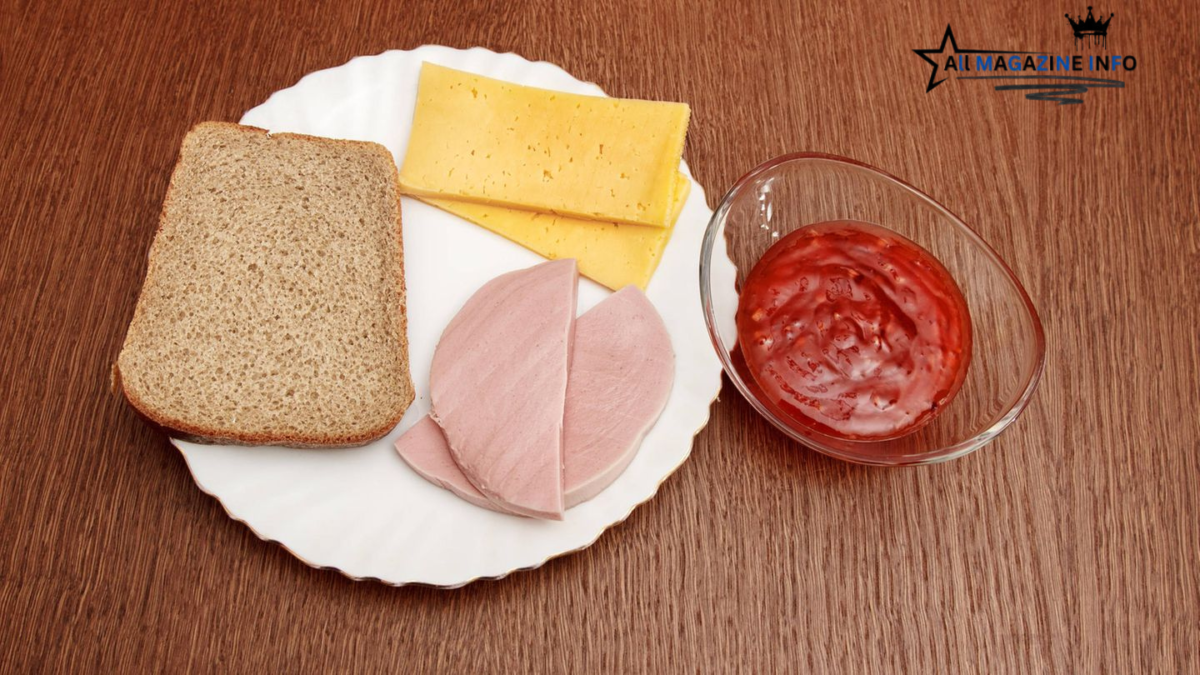
Typical examples that get labeled as white people food include baked chicken with salt and pepper, macaroni and cheese, casseroles, mayonnaise-based salads, mashed potatoes, plain sandwiches, and certain processed convenience foods. These dishes are often portrayed online as beige in color, dairy-heavy, or lacking visible spices.
However, this interpretation simplifies a much broader culinary reality. Western European cuisine is incredibly diverse. Italian food relies heavily on herbs, olive oil, garlic, and tomatoes. French cooking emphasizes technique and balance. Spanish cuisine includes paprika, seafood, and vibrant tapas culture. Even within the United States, regional differences create distinct flavor profiles from the South to New England.
When people use the phrase white people food, they are usually referring to a narrow stereotype rather than the full range of European or American cooking traditions.
The Rise of White People Food in Internet Culture
The popularity of white people food grew rapidly through platforms like TikTok, Instagram, and Twitter. Short-form videos often show creators reacting humorously to lunchboxes or home-cooked meals that appear minimally seasoned. The contrast between heavily spiced international dishes and simple Western meals fuels much of the comedy.
Internet humor thrives on exaggeration. In many viral clips, creators jokingly compare bold, spice-rich cuisines with dishes that seem basic by comparison. The phrase white people food became shorthand for that contrast.
Globalization has also contributed to this trend. As more people gain access to diverse cuisines from Asia, Africa, Latin America, and the Middle East, expectations around flavor intensity have shifted. Foods that once seemed normal may now appear bland to individuals accustomed to strong spices and layered heat.
Still, subtle flavor does not mean inferior cooking. Culinary traditions differ based on geography, climate, agriculture, and history. What tastes simple to one person may feel comforting and nostalgic to another.
Historical Context Behind the Perception
To understand white people food, it is important to look at history. European cuisines developed under specific environmental conditions. In colder climates, root vegetables, dairy, grains, and preserved meats were dietary staples. Preservation methods such as pickling, fermenting, curing, and salting shaped flavor profiles long before global spice trade became widespread.
Trade routes eventually introduced spices to Europe, but their availability varied depending on wealth and location. Meanwhile, regions closer to the equator had consistent access to chili peppers, aromatic herbs, and diverse plant life, influencing their culinary traditions.
The modern idea of white people food often ignores these historical realities. It reduces centuries of agricultural adaptation and culinary technique into a simplified stereotype about bland cooking. In truth, many European dishes rely on careful balance, slow cooking, and rich textures rather than overwhelming spice.
Common Dishes Associated with White People Food
When people search for white people food, they often want examples. Certain meals are frequently mentioned online under this label.
Plain grilled chicken, turkey sandwiches on white bread, macaroni and cheese, tuna salad, chicken nuggets, casseroles made with cream-based soups, and potato salad are commonly cited. These dishes are staples in many American households and are often chosen for convenience, affordability, and familiarity.
Comfort food plays a significant role here. Many dishes labeled as white people food are nostalgic meals tied to childhood memories, school lunches, and family gatherings. Simplicity can be emotionally powerful. A bowl of mashed potatoes or a grilled cheese sandwich may not be heavily spiced, but it provides comfort and familiarity.
Reducing these dishes to jokes can overlook their emotional and cultural value.
Cultural Stereotypes and Social Commentary
The conversation around white people food intersects with larger cultural discussions. Humor about food is universal, and every culture teases another’s cuisine. However, stereotypes can oversimplify complex traditions.
European cuisines include refined gastronomy and regional specialties celebrated worldwide. French culinary schools are considered among the most prestigious. Italian food is globally beloved. Mediterranean diets are praised for health benefits. Clearly, labeling all Western food as bland does not reflect reality.
At the same time, modern Western diets in some regions rely heavily on processed foods and convenience meals. Frozen dinners, packaged snacks, and fast food can reinforce perceptions associated with white people food. But this trend is not limited to any single demographic group.
The phrase is often used humorously rather than maliciously. Still, thoughtful conversations about food should acknowledge diversity rather than reduce entire culinary traditions to a meme.
Health and Nutrition Considerations
Some stereotypes surrounding white people food involve highly processed or sodium-heavy meals. While certain convenience foods may lack nutritional balance, many traditional Western dishes are wholesome and nutrient-dense.
Roasted vegetables, whole grains, grilled fish, fresh salads, lentil soups, and baked root vegetables are foundational in many European diets. The Mediterranean diet, in particular, emphasizes olive oil, legumes, fish, fruits, and vegetables and is frequently associated with positive health outcomes.
Health depends more on ingredients and cooking methods than cultural labels. A lightly seasoned dish can be nutritious, and a heavily spiced meal can also be unhealthy depending on preparation.
The Impact of Globalization on Flavor Expectations
Global food accessibility has reshaped taste preferences. International restaurants, food delivery apps, travel, and cooking shows have exposed people to a wide variety of cuisines. As palates expand, expectations shift.
Spice tolerance varies widely among individuals. Someone accustomed to chili-rich dishes may find lightly seasoned meals less exciting. Meanwhile, others may prefer subtle, balanced flavors.
White people food often becomes a comparison point in these conversations. It symbolizes a broader shift in how people evaluate flavor intensity. However, flavor complexity is not solely defined by spice level. Texture, aroma, cooking technique, and ingredient quality also shape taste experiences.
Why the Term Continues to Trend
The term white people food remains popular because it is short, catchy, and easy to use in online humor. Social media algorithms reward relatable content, and food comparisons are highly shareable.
Many people search for white people food simply to understand the phrase’s meaning. Others are curious about which dishes fall under the label. The search intent is largely informational rather than confrontational.
As long as social media thrives on cultural commentary, the phrase will likely continue circulating.
Embracing Culinary Diversity
Rather than focusing on stereotypes, a more productive approach is to celebrate culinary diversity. Every cuisine has strengths. Every culture adapts food based on climate, history, and available resources.
Food evolves constantly. Migration, trade, and technology blend traditions together. Dishes once considered regional become global favorites. Ingredients that were rare become pantry staples.
White people food, as a phrase, reflects a moment in internet culture. But the deeper conversation is about appreciating differences and expanding understanding.
Conclusion
White people food is a modern slang expression rooted in internet humor and cultural comparison. While it often describes simple or lightly seasoned Western dishes, the term oversimplifies rich and diverse culinary traditions.
European and American cuisines encompass far more than the stereotype suggests. Historical context, climate, and agricultural patterns shaped flavor profiles long before social media existed. What one person views as bland, another may view as comforting or refined.
Ultimately, food should bring people together rather than divide them. Whether mild or spicy, traditional or experimental, every dish tells a story. Understanding white people food within its broader cultural context allows for more thoughtful and respectful conversations about cuisine.
Frequently Asked Questions
What does white people food mean
White people food is an informal internet slang term used to describe meals perceived as simple, lightly seasoned, or associated with Western European and American traditions.
Is white people food always bland
No. Many Western cuisines include herbs, cheeses, sauces, and complex techniques that create rich flavor. The stereotype usually applies to specific simplified dishes rather than entire culinary traditions.
Where did the term white people food come from
The phrase became popular on social media platforms where creators humorously compared different cultural cuisines and flavor intensities.
Is calling something white people food offensive
It depends on context. Often it is used jokingly, but reducing any cuisine to stereotypes can overlook its diversity and cultural depth.
Are there healthy examples of white people food
Yes. Many traditional Western dishes such as grilled fish, roasted vegetables, whole grains, and fresh salads are nutritious and balanced.